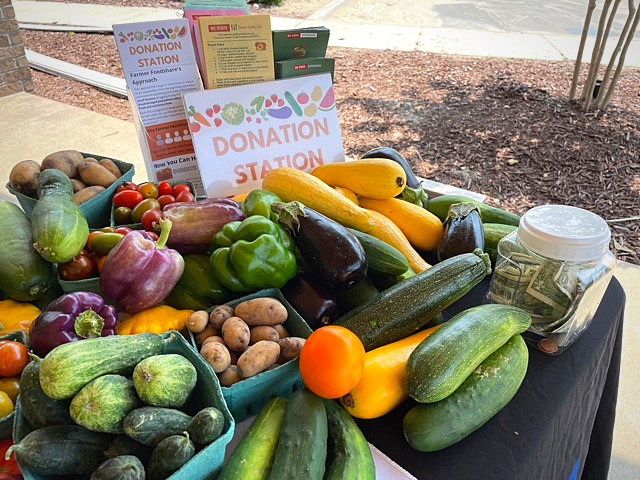
Through the Local Food Program Team efforts, a Farm to Food Bank Resource Guide was created to help in the efforts of combating food insecurity in NC. Food insecurity affects over 1.5 million people in North Carolina alone and we are the 10th hungriest state in the US (foodshuttle.org). “Food insecure families often rely on food pantries or other food security organizations to supplement or stretch their food budgets. Increasing the availability of fresh, healthy, and nutritious food options at local food pantries can help improve the diets and health of food pantry clients, while also empowering them to make healthy choices,” (Farm to Food Bank Resource Guide).
Farm to Food Bank Resource Guide and Healthy Food Pantry Toolkit
(Updated: April 29, 2022, 11:25 a.m.)
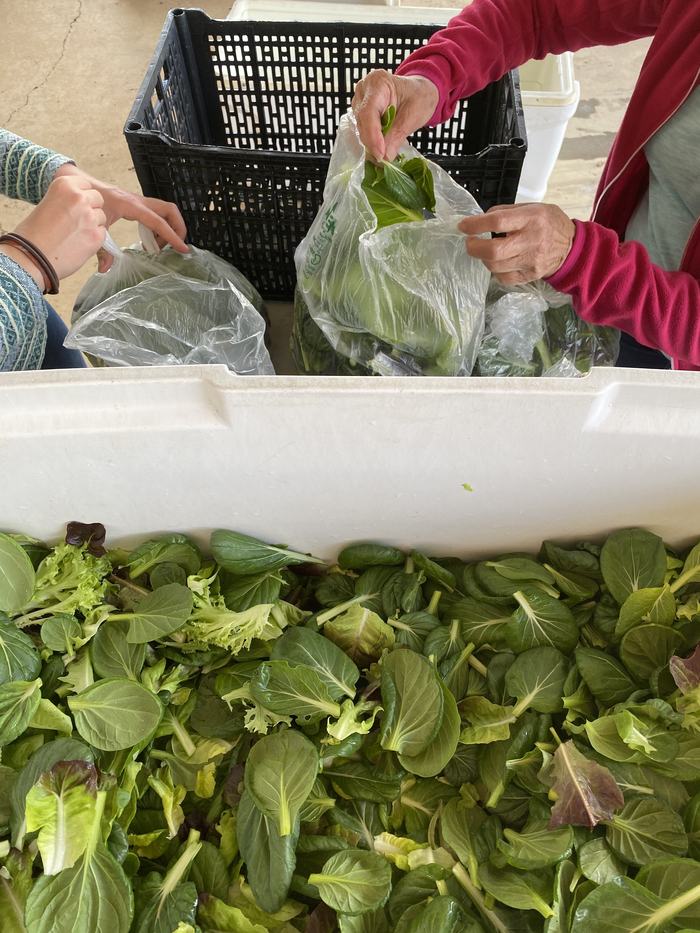
The Farm to Food Bank Resource Guide was designed to help Extension professionals learn about the opportunities for increasing farm to food bank donations by facilitating the relationship between growers, gardeners, food banks, food pantries, and donation recipients. Included in the guide is an overview of food banks and food pantries to help understand the structures and where programs and projects fit into the different tiers. The guide goes on to share about Direct to Food Bank and Food Pantry Donations, Gleaning, Venison Donation Programs, Extension Master Gardener Volunteers and Community Gardens, Food Pantry Produce Markets, and the 4-H Embryology Project.
The Healthy Food Pantry Toolkit is another great resource for Extension agents to learn about resources that can support the work with food banks and pantries. It is housed on the Local Food Portal and shares information about programs and topics such as local food procurement, food safety, nutrition education and cooking support, and policy, systems, and environmental changes. The Farm to Food Bank Resource Guide is a part of the Healthy Food Pantry Toolkit.