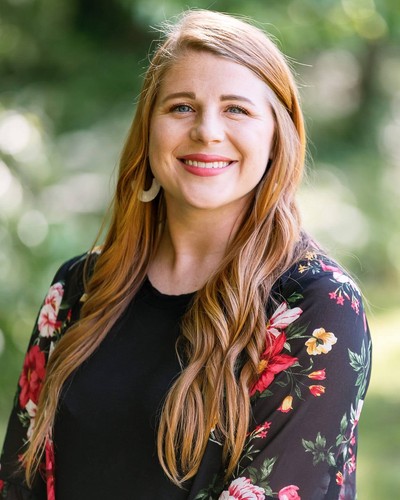
Jacob Barber serves as the Consumer Horticulture Agent and Local Food Coordinator (LFC) in Bladen County with a variety of roles and responsibilities. On any given day he may be covering topics related to consumer horticulture with homeowners and gardeners, turf grass, beekeeping, production of small fruits like muscadine grapes and strawberries, vegetables, tree fruits like pecans, and pond fisheries management.
Fruitful Futures: A Conversation With Jacob Barber
(Updated: June 1, 2025, 3:25 a.m.)

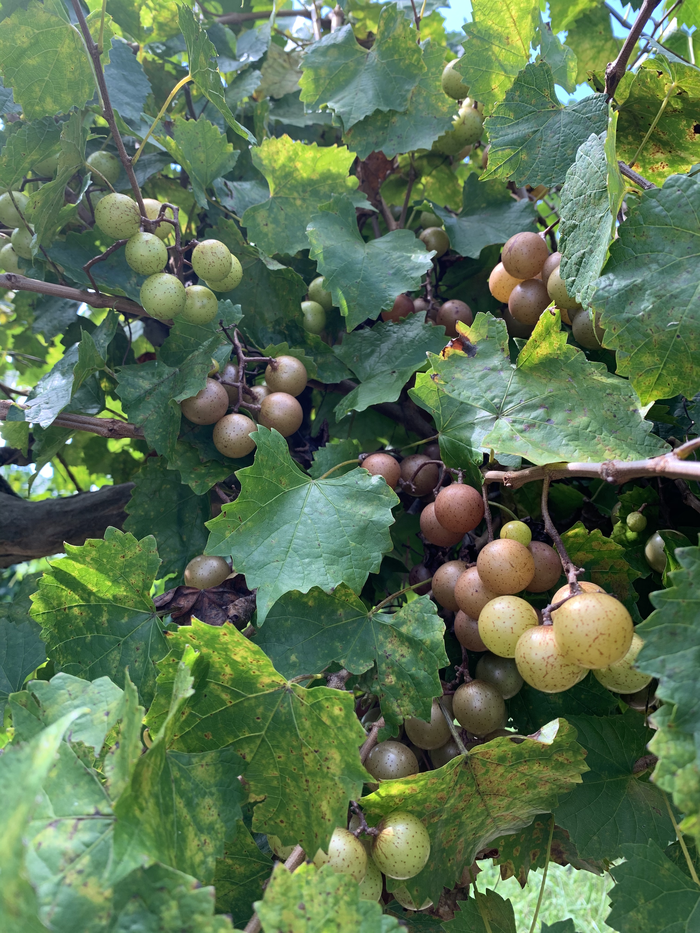
Out of all of his job responsibilities, his favorite is working with small fruit growers, as a nod to his lifetime work in his family’s muscadine vineyard; working with small fruits naturally became a passion for Jacob. According to the 2022 Ag Census, Bladen County actually has the highest number of fruit growers out of all NC counties. Another honorable mention is his work with 4-H youth as well as adult education. “Educating the public, especially the younger generation, is extremely important. Whether that be helping gardeners identify weeds or teaching 4-Her’s how to grow their own garden. There is a lot of good that comes out of educating someone on any aspect of agriculture because it is such a crucial industry in NC,” Jacob shared.
Though Bladen County’s local food landscape has its challenges, there has been great effort to improve it over the years. As a large rural county, they boast over 400 farms and while they have two farmers markets, those unfortunately have not had much participation from farmers. However, roadside stands and farm stores selling their own produce as well as value-added products are more abundant throughout the county. The NC Collaborative Food Hub based in Columbus County called Men and Women United for Youth and Families, serving Bladen, Brunswick, Columbus, New Hanover and Robeson Counties, works to promote economic development in rural counties. Their Youth Ambassadors program allows local youth to have a direct role in the food hub work including the Vacation Vittles (Vacationer Supported Agriculture) program which provides fresh local produce boxes to vacationers in several beach communities in Southeastern NC and has created more growth in the local food landscape of this region. Jacob has had the opportunity to help recruit farmers for this program.
For other LFCs across the state, Jacob shared advice on the importance of building strong relationships within the community you are working and how those partnerships can help improve the local food landscape. He highlighted the importance of showing up by saying, “There can be a lot of good opportunities if you are present within the community and share your knowledge and expertise”.
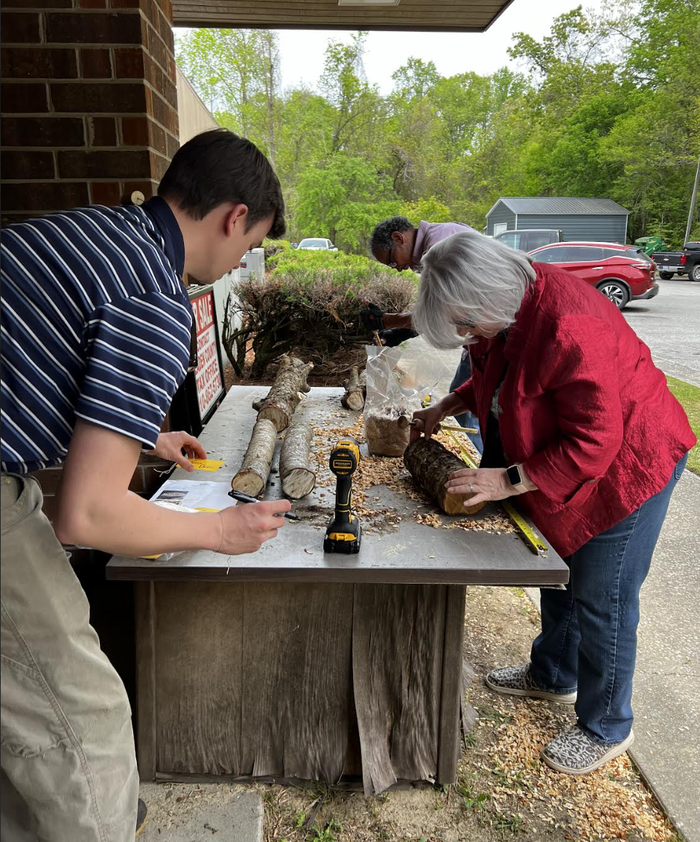
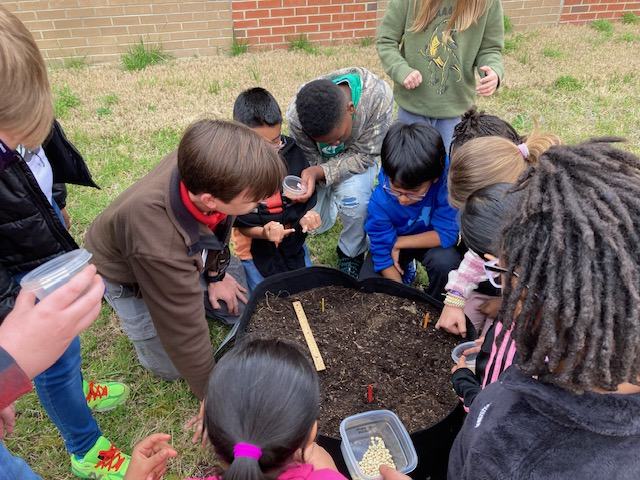
In addition to his work with the VSA program, Jacob is currently working with a few nursery startups assisting them with their goals of selling fresh produce through their farm stands or the farmers markets. He also organizes mushroom log workshops, raised bed gardening workshops, and a school garden project. The school garden project is a 7-session program designed to allow 4th grade students the opportunity to experience vegetable gardening. Jacob co-leads this cross-program collaboration with others in his office, especially the 4-H and FCS Agents. The program is delivered in-person and online over the course of 14 weeks and begins with agents meeting the students in-person at each school to start planning and designing their gardens. Throughout the sessions, students are taught about topics such as the plant life cycle, garden management, MyPlate, and nutrition, and they receive other resources and materials designed to guide the classes through planting, maintenance, and harvesting of their gardens. The students get to plant, harvest, and taste test carrots, garden peas, lettuce, and radishes.
When asked about the future of local foods in NC, Jacob said he thinks we will see an increase in younger generations interested in fresh produce and that it will be up to farmers, Extension Agents, and LFCs to make sure we’re advancing and improving along with current trends. This way, consumers will be supplied with their demand and we will hopefully see improvement in communities by providing more accessible, healthy and local foods.