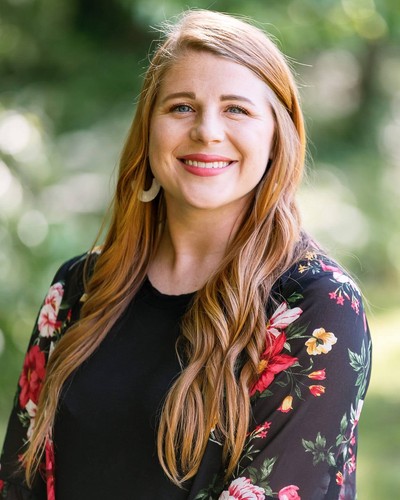
Increasing Access to Meet Community Needs: A Conversation With Marlana Baker
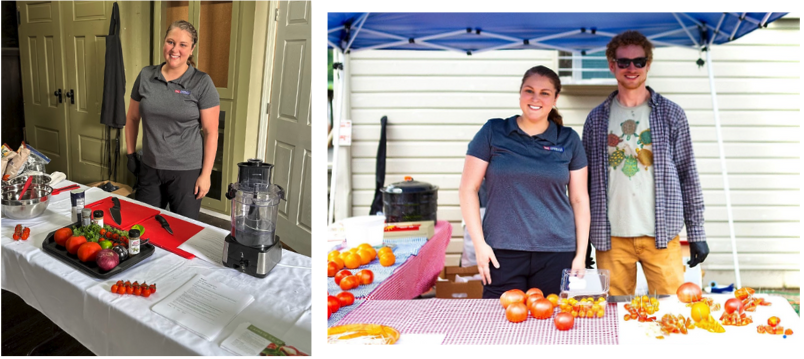
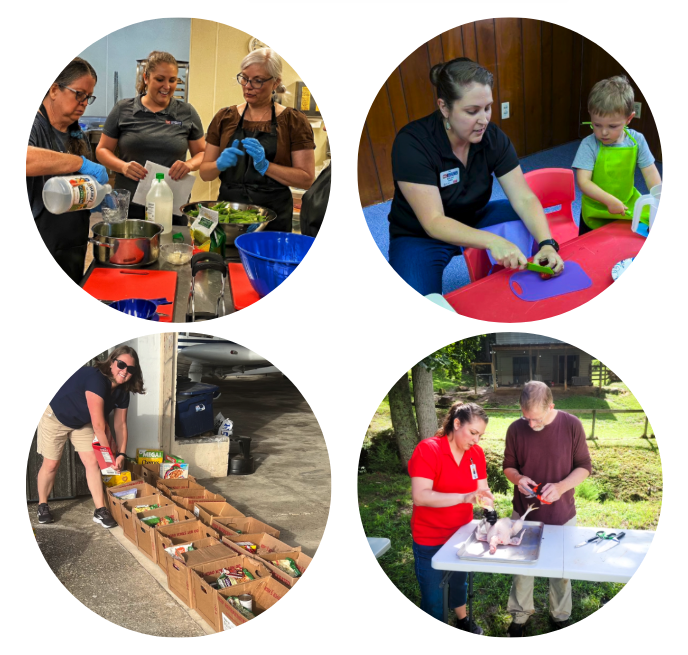
Making impacts within the local food community and empowering community members to lead healthier lifestyles is something that can motivate many of us in the efforts we put into our local food work. This is one of the things Marlana Baker appreciates most in her role as Cherokee County Extension Family & Consumer Sciences (FCS) Agent and Local Food Coordinator (LFC). Her passion for strengthening the local food system in her community has been evident since her start with Extension and this continues to guide her work. Some of her responsibilities as the FCS Agent and LFC include supporting local food system sectors, providing nutrition education, coordinating local food relief efforts, developing volunteer programs, and fostering community engagement through various initiatives.
Cherokee County, formed from a part of Macon County, is North Carolina’s western most county and sits in the southern tip of the Great Smoky Mountains. These areas strive to preserve their rich cultural history. The local food landscape of the county is unique due to its rural nature and the challenges this presents. Connecting farmers with resources and market opportunities, ensuring access to nutritious food for community residents, and coordinating a variety of local food efforts are just some of the ways the Cherokee County Extension Center works to address the challenges. Additionally, the county boasts a strong sense of community and a growing interest in local food, which show potential for sustainable growth. “This landscape directly impacts responsibilities by requiring a multifaceted approach that includes building partnerships, providing education, and creating infrastructure to support local food systems. The geographic location also presents logistical challenges for food distribution and resource access,” Marlana shared.
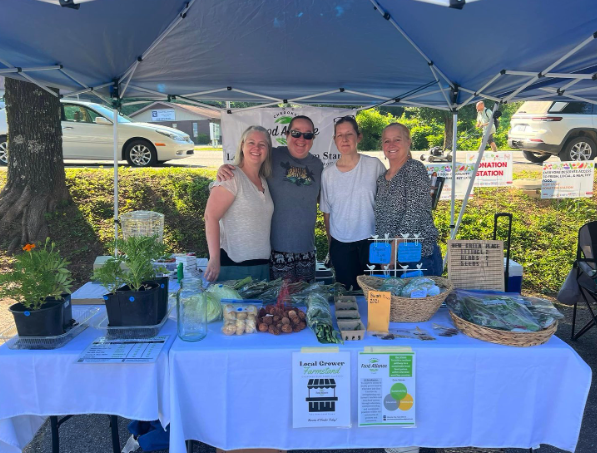
That’s where a recently established food alliance comes in. While past attempts at establishing a food alliance have been unsuccessful, the Cherokee Clay Food Alliance (CCFA) which Marlana is a founding member of, is proving great success and continued growth. For Marlana, the CCFA is a favorite project to work on because of its importance filling a gap in the county food system to provide space for collaboration. CCFA focuses on community engagement that brings together farmers, food businesses, and community members with other main goals including resource development and fundraising, supporting current farmers markets and increasing opportunities for farmers to sell their products, addressing food insecurity, and efficient disaster relief efforts. Marlana shared that while the specifics of the CCFA are unique to Cherokee County, it’s possible for other Extension Local Food Coordinators to replicate the model in their own communities. This would include identifying gaps in the local food system, building partnerships and engaging key stakeholders, developing a clear vision with specific goals and objectives, securing funding through grants and other sources, involving the community through events and outreach, and tailoring programs to meet the needs of the community.
As Marlana continues her work to grow and foster a resilient local food system, she feels that the future of local foods in North Carolina is promising. She views the increased consumer demand around local and sustainable food, coupled with growing support for local farmers and food businesses as an indicator of continued growth, while envisioning that some challenges will need attention such as ensuring equal access to local food, addressing infrastructure needs, and adapting to decreasing amounts of available farmland. Technology and innovation will also play an increasing role in connecting producers and consumers.
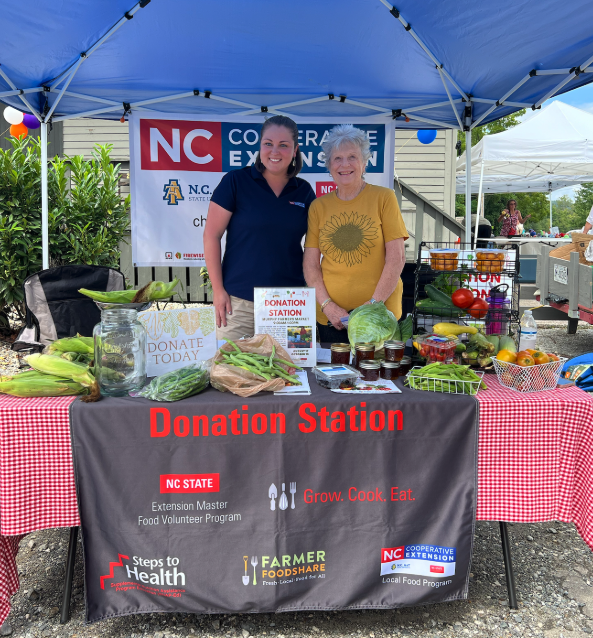
Marlana shared that her favorite place to buy local food is Still Waters Landing Farm, where she has grown to know the owners and staff well over the years and who have a passion for local food and food security. Their “grow-a-row” program supports local food pantries by allowing businesses and individuals to sponsor a row of crops and all harvested items are donated to residents in need. In addition to their community outreach, their farm also offers a CSA program with fresh produce and meat.