

Food Hubs
go.ncsu.edu/readext?251150
en Español / em Português
El inglés es el idioma de control de esta página. En la medida en que haya algún conflicto entre la traducción al inglés y la traducción, el inglés prevalece.
Al hacer clic en el enlace de traducción se activa un servicio de traducción gratuito para convertir la página al español. Al igual que con cualquier traducción por Internet, la conversión no es sensible al contexto y puede que no traduzca el texto en su significado original. NC State Extension no garantiza la exactitud del texto traducido. Por favor, tenga en cuenta que algunas aplicaciones y/o servicios pueden no funcionar como se espera cuando se traducen.
Português
Inglês é o idioma de controle desta página. Na medida que haja algum conflito entre o texto original em Inglês e a tradução, o Inglês prevalece.
Ao clicar no link de tradução, um serviço gratuito de tradução será ativado para converter a página para o Português. Como em qualquer tradução pela internet, a conversão não é sensivel ao contexto e pode não ocorrer a tradução para o significado orginal. O serviço de Extensão da Carolina do Norte (NC State Extension) não garante a exatidão do texto traduzido. Por favor, observe que algumas funções ou serviços podem não funcionar como esperado após a tradução.
English
English is the controlling language of this page. To the extent there is any conflict between the English text and the translation, English controls.
Clicking on the translation link activates a free translation service to convert the page to Spanish. As with any Internet translation, the conversion is not context-sensitive and may not translate the text to its original meaning. NC State Extension does not guarantee the accuracy of the translated text. Please note that some applications and/or services may not function as expected when translated.
Collapse ▲Foods hubs are an integral part of the local food system. The USDA describes them as centrally located facilities with a business management structure facilitating locally or regionally produced food products’ aggregation, storage, processing, distribution, and/or marketing.
On This Page
| Guides & Toolkits |
| Videos |
| Publications |

North Carolina Resources
- Hubs & Kitchens: Food Hubs, Commercial Community Kitchens, and Copackers in NC: This 2017 directory from NCGT and UFOODS is designed to inform farmers and other food businesses of the location and services offered by food hubs, commercial community kitchens, and copackers. It also provides grocery and food service buyers information on where they can find NC food and farm products packed for retail and wholesale markets.
- NC Growing Together Project: In 2013, the NC Growing Together Project, in collaboration with N.C. Cooperative Extension’s Local Foods Flagship Program, created a mapped inventory of businesses that serve as intermediary steps in local food supply chains. This includes food hubs, value-added processors, fresh produce wholesalers/ distributors, multi-farm CSAs, community kitchens, incubator farms, and cold storage locations. The inventory does not include information on end retailers.
- NC Local Food Infrastructure Inventory Map: The NC Growing Together Project and Blue Cross Blue Shield of North Carolina partnered to develop this map as part of a statewide food system assessment and action planning process. It is managed by the Piedmont Triad Regional Council.
- Cooperatives and Food Hubs: A presentation developed by N.C. Cooperative Extension’s Cultivate NC program, as one tool for building community engagement. tools for building community engagement.
- Cultivate Action Presentations: PowerPoint slides that share tools for building community engagement. Topics include facilitator skills and steps to guiding a community in planning a project.
National Resources
- Food Hub Business Assessment Toolkit: This toolkit from Wholesome Wave provides the tools to evaluate a food hub business’ readiness for investment and a framework for assessing the strengths and weaknesses of food hubs in the areas of business model and strategy, impact potential, market overview, marketing and sales, operations, organization and management, risk mitigation, technology and systems, and finance.
- USDA Local Food Research & Development: Explore the USDA’s list of resources, services and contacts that can assist in growing and sustaining a productive business.
- USDA Cooperatives and Food Hubs: This webpage contains a food hub directory, list of cooperative programs, reports and guides that can help with the growth and management of cooperatives and food hubs.
- Findings of the 2019 National Food Hub Survey: The National Food Hub Survey is the primary source for national longitudinal data about food hubs. This survey shows the trends in food hub operations, economic growth and viability, social mission, and opportunities and challenges faced by food hubs nationwide.
- Food Systems Leadership Network’s Food Hubs Resource Library: This webpage hosts a library of recent and featured food hub resources.

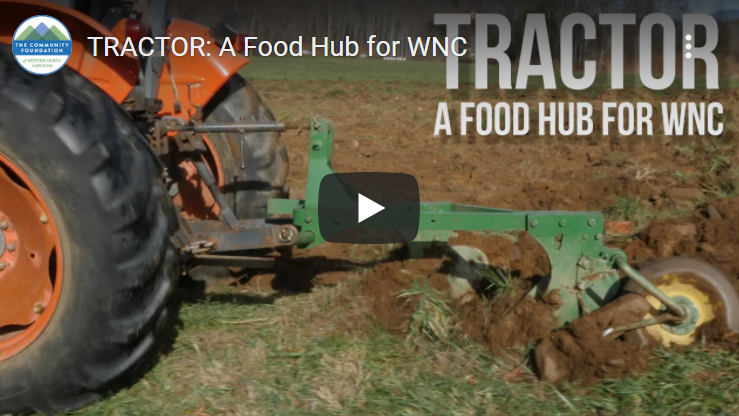
- TRACTOR: A Food Hub for WNC: Learn about TRACTOR, a food hub serving the western part of North Carolina.

-
-
- Food Value Chains: Creating Shared Value to Enhance Marketing Success, 2014
- Building a Food Hub from the Ground Up: A Facility Design Case Study of Tuscarora Organic Growers, February 2015.
- Running a Food Hub: Lessons Learned from the Field, April 2015
- Running a Food Hub: A Business Operations Guide, July 2015
- Running a Food Hub: Assessing Financial Viability, March 2016
-